Audi Q7 Brake Rotors (2016-2024) - Parts, Prices & Buying Guide
Browse 6,265 brake rotors listings for your Audi Q7 with live marketplace pricing.
Found 6265 listings for "audi q7 brake rotors"
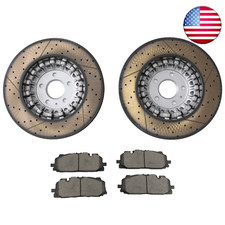
Set of 2 Rotors & Pads Front 375mm Vented Brake Disc For A6 A8 Q Q7 Q8
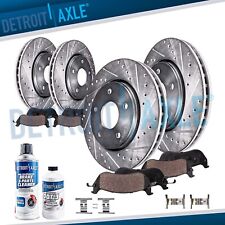
350mm Front 330mm Rear Rotor Ceramic Brake Pad for Q7 Porsche Cayenne VW Touareg

Rear Geomet Brake Rotors + Pads for 2017-2018 Audi Q7

Front & Rear Brake Rotors + Ceramic Pads for 2007-2015 Audi Q7 VW Touareg

Brembo Front OE Brake Rotors Pair for 2017-2024 Audi A4 A5 A8 Q5 Q7 S4 S5 S6 S8

Front & Rear Brake Rotors + Ceramic Pads for 2017 2018 Audi Q7

Rear Geomet Brake Rotors + Pads for 2017-2018 Audi Q7
Front Geomet Brake Rotors + Pads for 2017 2018 Audi Q7 w/13.78" Dia Frt Rotor

Front Geomet Brake Rotors for 2017 2018 2021 Audi Q5 Q7
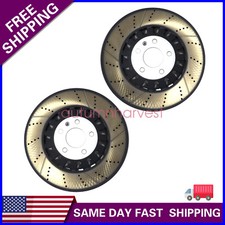
2x Performance Front 375mm Vented Brake Disc Rotors For Audi A6 A8 Q Q7 Q8
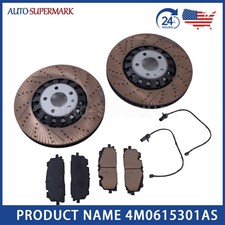
Front Brake Pads with Sensors and Disc Rotors set for 17-21 A6 A8 Q7 Q8 375mm

Front & Rear Brake Rotors + Ceramic Pads for 2017 2018 Audi Q7

Rear Drill Slot Brake Rotors Pair For Audi Q5 Porsche Macan A4 Quattro S5 SQ5 Q7

Front Brake Rotors + Ceramic Pads for 2004-2015 Audi Q7 VW Touareg

Rear Drilled Disc Brake Rotors for 2003-2015 Audi Q7 VW Touareg Porsche Cayenne

13.78" Front Drilled Brake Rotors Pads for 2003-2010 VW Touareg Audi Q7 Porsche

Front Drilled Brake Rotors for 2017 2018 2021 Audi Q5 Q7
Front Geomet Brake Rotors + Pads for 2017 2018 Audi Q7 w/13.78" Dia Frt Rotor

Front & Rear Brake Rotors + Ceramic Pads for 2017 2018 Audi Q7

Front & Rear Brake Rotors + Ceramic Pads for 2007-2015 Audi Q7 VW Touareg
About Audi Q7 Brake Rotors Parts
Restore braking performance with Audi Q7 brake rotors. Quality rotors provide the surface for brake pads to grip, ensuring safe stopping power. Choose from slotted, drilled, or standard rotors based on your driving needs.
Why Shop Brake Rotors for Audi Q7?
- Genuine OEM and high-quality aftermarket options available
- Competitive pricing from verified eBay sellers
- Fast shipping options with buyer protection
- Easy returns and seller ratings for peace of mind
Technical Information
Rotors should be inspected whenever brake pads are replaced to ensure optimal braking performance.
Available Types
- Solid
- Vented
- Drilled
- Slotted
- Drilled and slotted
Key Benefits
- Better heat management
- Improved wet weather performance
- Reduced brake fade
- Consistent stopping power
Warning Signs to Watch For
- Visible grooves or scoring
- Pulsating brake pedal
- Vibration when braking
- Blue discoloration from overheating
Recommended Replacement Interval
50,000-70,000 miles, or when thickness is below minimum specification
Installation Information
This is a good DIY project for most skill levels.
Installation time may vary for Audi Q7 based on engine bay layout and accessibility.
Frequently Asked Questions
How do I find the right brake rotors for my Audi Q7?
Verify compatibility using your Audi Q7's VIN number, production year (2016-2024), and engine code. Check seller compatibility charts and cross-reference OEM part numbers when possible.
How often should I replace brake rotors on my Audi Q7?
General guideline: 50,000-70,000 miles, or when thickness is below minimum specification. However, driving conditions (city vs highway, climate, towing) affect replacement frequency. Inspect regularly and replace when warning signs appear.
Should I use OEM or aftermarket brake rotors for my Audi Q7?
OEM parts guarantee exact Audi specifications and fitment. Quality aftermarket brands often meet or exceed OEM standards at lower prices. For warranty vehicles, check if aftermarket parts affect coverage.
What are signs that my Audi Q7 needs new brake rotors?
Common warning signs include: Visible grooves or scoring, Pulsating brake pedal, Vibration when braking, Blue discoloration from overheating. If you notice any of these symptoms, inspect or replace the brake rotors promptly to prevent further damage.
Can I install brake rotors on my Audi Q7 myself?
Yes, this is typically a moderate DIY job taking 1-2 hours. Always consult your owner's manual and follow proper safety procedures.